
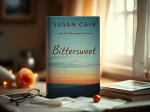

The Holidays and the Longing for the Past
The holiday season has a unique way of evoking a deep longing for past celebrations and reigniting the ache of missing loved ones who are no longer with us. It’s a time when nostalgia fills the air, and the absence of those we once celebrated with becomes more palpable. The bittersweet nature of this longing can often bring about feelings of melancholy, a complex emotion that is frequently misunderstood or confused with something more intense, like depression.
Confusing Melancholy with Depression
While both melancholy and depression can involve sadness, they are fundamentally different in their nature and impact. Melancholy is a reflective, often bittersweet emotion that arises from specific memories, moments, or experiences. It is typically temporary, and while it may bring a sense of longing or sorrow, it doesn’t overwhelm the person experiencing it. Depression, however, is a clinical condition characterized by persistent feelings of hopelessness, emptiness, and a loss of interest in daily life. Unlike melancholy, depression can interfere significantly with one’s ability to function and usually requires professional intervention.
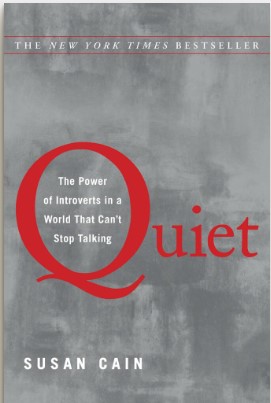
In my exploration of melancholy, I turned to Susan Cain’s Bittersweet: How Sorrow and Longing Make Us Whole. Cain, also the author of Quiet: The Power of Introverts in a World That Can’t Stop Talking, offers profound insights into the role of bittersweet emotions in our lives.
The Beauty of Melancholy: Embracing Bittersweet Emotions
In a world that often prioritizes happiness, we can sometimes overlook or even feel guilty for experiencing sadness or longing. Yet, in Bittersweet, Susan Cain offers a refreshing perspective on these so-called “negative” emotions, arguing that they are not only natural but essential to the human experience. She suggests that melancholy and sorrow can offer depth, creativity, and insight into our lives.
What Is Melancholy?
Melancholy is an emotion that many of us are familiar with — that quiet sadness or reflective mood that lingers without an obvious cause. It isn’t as overwhelming as depression, but it often carries a sense of nostalgia or longing. It invites us to pause, reflect, and sometimes even appreciate what we have lost or are currently missing. Cain argues that melancholy is not something we should shy away from. It’s often accompanied by a subtle beauty, like the delicate sadness found in a piece of music or the fleeting colors of a sunset. These moments of bittersweetness, though tinged with sadness, can feel deeply fulfilling.
Melancholy and Creativity
One of the most fascinating aspects of Cain’s exploration of melancholy in Bittersweet is its connection to creativity. Some of the greatest works of art, music, and literature have been born from moments of profound sadness and longing. Whether it’s Beethoven, composing emotionally charged music while grappling with deafness, or Emily Dickinson, whose poetry captures the bittersweet nature of life, these creators tapped into their feelings of sorrow and longing to produce beauty that resonates with us today.
Cain suggests that the emotional depth that comes with melancholy enables richer, more introspective creative experiences. These feelings help us access parts of ourselves that may otherwise remain unexplored, allowing for deeper connections with our emotions and the world around us.
Acknowledging Bittersweetness in Our Lives
Cain also delves into how society often emphasizes happiness and success, sometimes to the exclusion of other emotions. Melancholy is frequently dismissed as something negative or unhealthy. However, Cain encourages us to embrace these emotions, as doing so allows us to experience the full spectrum of human life. Suppressing feelings of sorrow and longing means missing out on their potential to enrich our understanding of the world and our place in it. When we process these emotions, we can gain resilience, wisdom, and empathy, making us more whole.
The Healing Power of Bittersweetness
Another powerful insight from Bittersweet is the healing potential of embracing our melancholic emotions. Though it may be uncomfortable at times, allowing ourselves to fully experience sorrow or grief can facilitate healing. It’s in these vulnerable moments that we can start to process loss and heartbreak, gradually making space for growth and transformation.
Cain notes that people who experience and accept melancholy often develop a heightened sense of empathy. By sharing our bittersweet emotions with others, we create a space for authentic connection, where vulnerability is seen not as a weakness but as a source of strength.
Melancholy as a Source of Connection
In a world that can sometimes feel disconnected, embracing melancholy can bring us closer to others. Some cultures view melancholy as a natural part of life, not something to be fixed but something to be understood and shared. When we allow ourselves to feel and express our emotions without judgment, we cultivate an openness that fosters greater connection with those around us.
Consider a time when you shared a moment of sadness with a close friend or loved one. That shared experience can deepen your bond, creating a sense of emotional authenticity. Through these connections, we learn that even in our darkest moments, we are not alone.
Conclusion: Finding Wholeness in Bittersweetness
Susan Cain’s Bittersweet offers a compelling invitation to embrace the emotions we often shy away from. Rather than viewing melancholy as something burdensome, Cain encourages us to see it as a source of creativity, emotional depth, and healing. By acknowledging the bittersweetness of life — its moments of sorrow and longing — we gain a richer, fuller understanding of our experiences.
The next time you feel the weight of melancholy, remember that it is a meaningful part of what it means to be human. Allow yourself to sit with it, reflect on it, and appreciate the beauty it can bring. In embracing the bittersweet, we may discover the depth and wholeness we’ve been seeking all along.
Susan Cain’s books can be purchased at Whistlestop Bookshop,
129 W High St, Carlisle, PA 17013 – (717) 243-4744
You can learn more about Susan Cain at her website. She is on Instagram and Facebook.

 Happenings in Christine's World